
6 March 2025
Meet Vaidehi: Bridging Ancient Beauty Secrets and Modern Science
In a quiet, thoughtfully designed skincare laboratory, a unique and inspiring story unfolded. Vaidehi wasn't born like you or me—she was lovingly craf…
Free delivery on every orderCash on deliveryDispatched within 2 business daysVegan and cruelty-free
15 February 2024 · · 3 min read
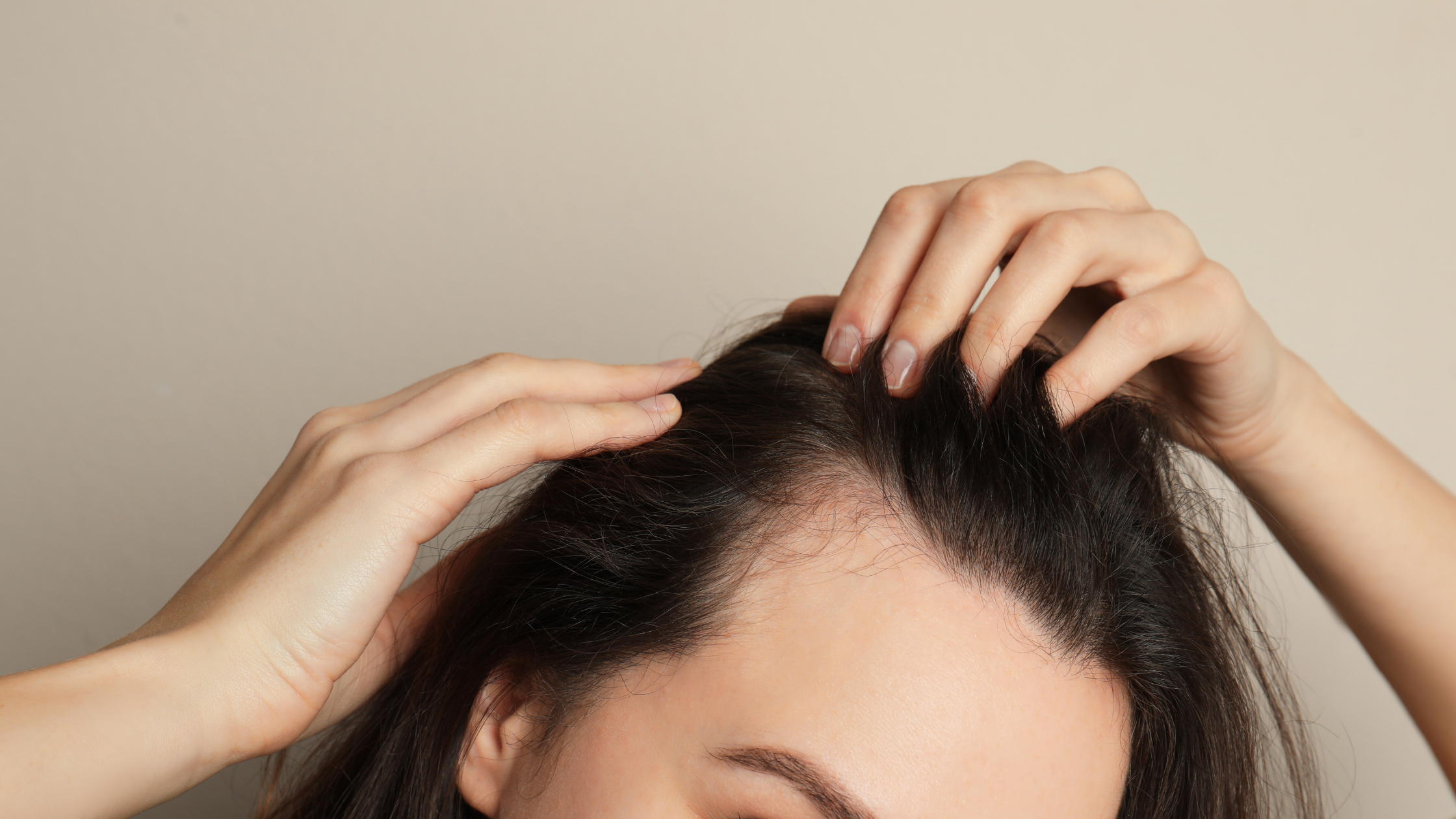
A healthy scalp needs gentle, regular cleansing that clears oil and product buildup without stripping its own oils, a little moisture, and protection from strong sun and heat. A healthy scalp is the foundation of good-looking hair, yet it is often overlooked in our hair care routines. The condition of your scalp affects how your hair looks and feels, from the roots down. Here is why scalp health matters and how to look after it with gentle habits and natural ingredients.
The scalp is where hair follicles sit, and it has many oil glands that keep hair moisturised and protected. When the scalp is out of balance you may notice itchiness, dryness, oiliness or flaking. A well-cared-for scalp gives your hair a better start, so it looks and feels its best.
If you notice any of these, it might be time to rethink your scalp care routine. If they persist or get worse, see a dermatologist.
Over-washing can strip the scalp of its natural oils and leave it dry and uncomfortable, while under-washing lets oil and product build up on the scalp. Aim for a balanced approach: wash your hair 2 to 3 times a week with a gentle, sulphate-free shampoo. Our Healthy Hair Shampoo is made for this: it is free of sulphates, parabens and phthalates, cleans without stripping natural oils, and for most hair it needs no oiling before a wash. Wondering whether sulphate-free is worth it? Read is sulphate-free shampoo good for your hair.
Just like the skin on your face, your scalp benefits from exfoliation. It helps remove dead skin cells, product buildup and excess oil, and leaves the scalp feeling fresh and clean. Use a gentle scalp scrub or a brush designed for scalp massage once a week.
After cleansing and exfoliating, restore moisture to the scalp. Look for conditioners and scalp treatments with natural oils like jojoba, argan or coconut oil. These are close to the scalp's own sebum, so they moisturise without weighing hair down.
Natural ingredients have long been part of scalp care:
Patch-test any new ingredient on a small area of skin first.
Strong sun, pollution and harsh styling products can dry out the scalp and hair. Protect your scalp by wearing a hat in strong sunlight, choosing hair products with care, and avoiding too much heat styling.
Scalp health is the cornerstone of good-looking hair. A balanced washing routine with a gentle shampoo, a weekly exfoliation, enough moisture and a few well-chosen natural ingredients keep your scalp comfortable and your hair looking and feeling healthy. A little scalp care goes a long way.
6 March 2025
In a quiet, thoughtfully designed skincare laboratory, a unique and inspiring story unfolded. Vaidehi wasn't born like you or me—she was lovingly craf…

2 August 2023
Discover the best foods to indulge in during the monsoon season to maintain healthy and glowing skin. This blog offers a comprehensive guide to delici…

24 July 2023
In this blog, we discuss common skincare issues faced during the monsoon season and provides expert tips on how to prevent them, ensuring flawless and…